
Why Modern Flooring Fail So Quickly: A Home Inspector’s Perspective
By Darren McClurg, CMI ·
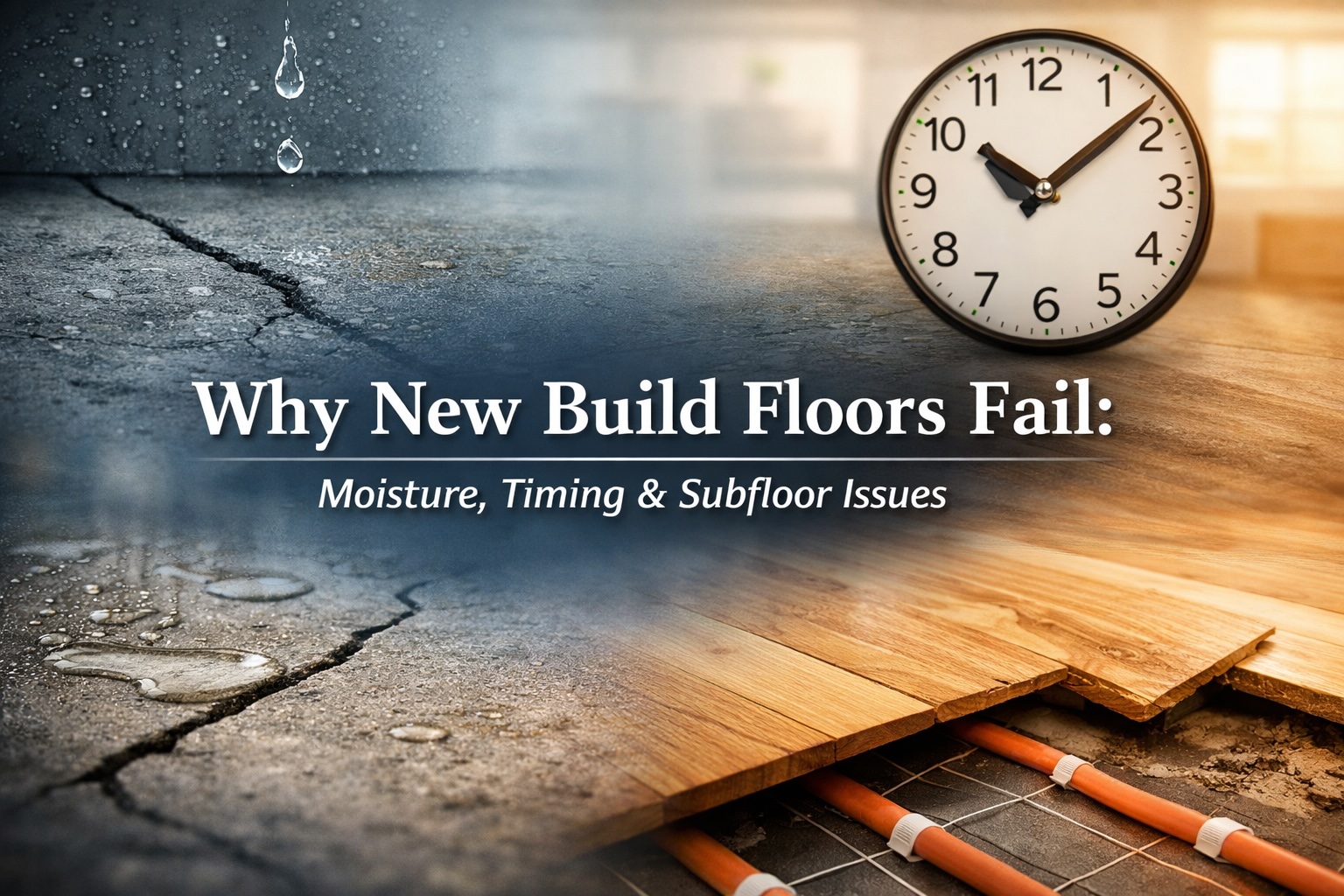
Why Some Modern Flooring Fails So Quickly: A Home Inspector’s Perspective
Walk through enough homes, and patterns start to emerge.
As a home inspector, I’ve seen beautiful new flooring that’s already swelling, separating, scratching, or wearing out after only a few years. Meanwhile, homes built decades ago often still have hardwood floors that remain solid after generations of use.
So what changed?
The answer isn’t that all modern flooring is bad. It’s that many homeowners are sold products based on appearance and price instead of long-term performance.
The Hidden Cost of “Budget-Friendly” Flooring
Big box stores offer countless flooring options that promise quick installation, waterproof features, and low maintenance. Those claims can be true—but they don’t tell the whole story.
Many lower-cost products rely on thinner wear layers, engineered cores, or materials that are less forgiving when exposed to moisture, heavy furniture, pets, or repeated foot traffic. The result can be chipped edges, visible seams, or premature replacement.
Replacing an entire floor after five or ten years is rarely a bargain.
Moisture Is the Silent Destroyer
One of the most common flooring issues I encounter is moisture damage.
A minor plumbing leak, a damp basement, or elevated humidity can cause some flooring materials to expand, buckle, or lose adhesion. In many cases, the flooring itself isn’t defective—it simply wasn’t the right product for the environment or wasn’t installed over a properly prepared subfloor.
Before installing new flooring, it’s worth confirming:
- The subfloor is flat and dry.
- Moisture levels are within the manufacturer’s specifications.
- Expansion gaps are properly maintained.
- The product is appropriate for the room’s conditions.
Skipping these steps can dramatically shorten the floor’s lifespan.
Durability Varies More Than Most Buyers Realize
Two floors can look nearly identical on the showroom display yet perform very differently over time.
When choosing flooring, consider:
- Wear-layer thickness.
- Resistance to scratches and dents.
- Manufacturer warranty details.
- Installation requirements.
- Suitability for pets, children, and high-traffic areas.
The cheapest option often becomes the most expensive once repairs or replacement are factored in.
What About Indoor Air Quality?
Some consumers are concerned about volatile organic compounds (VOCs) and other emissions from building materials, including flooring.
Many modern flooring products sold in Canada meet regulatory standards and carry certifications for low emissions. However, products can vary, and homeowners who prioritize indoor air quality may wish to look for independently certified low-emission materials and ensure adequate ventilation after installation.
Rather than assuming all products are hazardous—or perfectly safe—it’s wise to review product documentation and choose reputable manufacturers.
Installation Matters as Much as the Product
I’ve inspected premium flooring that failed because of poor installation and budget flooring that performed well because it was installed correctly.
Common installation mistakes include:
- Uneven subfloors.
- Missing moisture barriers where required.
- Inadequate acclimation before installation.
- Improper fastening or adhesive application.
- Ignoring manufacturer spacing requirements.
Even the best flooring cannot compensate for poor workmanship.
Hardwood Isn’t Always the Only Answer
Solid hardwood has an impressive track record for longevity and refinishing potential, but it isn’t the right fit for every home.
Quality engineered hardwood, well-manufactured tile, and some premium vinyl or laminate products can provide excellent performance when selected for the right application and installed correctly.
The key is matching the product to the environment rather than choosing solely based on price or appearance.
Advice From a Home Inspector
If you’re renovating or buying a home, don’t judge flooring by how it looks on day one.
Ask:
- How will this perform in 10 or 20 years?
- Can it be repaired or refinished?
- Is it appropriate for the room’s moisture conditions?
- Does the warranty cover real-world use?
- Who is installing it, and are they following manufacturer guidelines?
A floor is one of the most heavily used surfaces in your home. Investing in quality materials and proper installation can save thousands of dollars in future repairs.
Final Thoughts
The claim that “90% of new flooring is garbage” is an attention-grabbing headline, but reality is more nuanced. There are excellent products on the market and there are poor ones. The biggest mistake homeowners make is assuming all flooring performs the same.
As inspectors, we regularly see the consequences of rushed decisions, moisture problems, and installation shortcuts. Doing your homework before you buy can mean the difference between a floor that lasts decades and one that needs replacing long before it should.