
Understanding Plugs Under Washer Faucets for Home Safety Part 2
By Darren McClurg, CMI ·
Understanding Plugs Under Washer Faucets
I’m an International Master Inspector for a legitimate reason, to keep you safe. I know of MANY different codes in the U.S. & Canada for residential or commercial exteriors, but majority of homes throughout the world are the exact same for interior electrical. If I don’t say anything, do you think it would be fixed?!
Why can’t electricians work with safety as their priority? Not for them, for the home owner. Lets run you through & discuss a couple of codes:
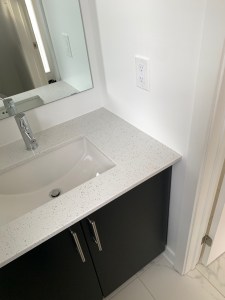
Bathroom or kitchen sinks, all have to protected plugs with gfci within a 5 foot radius.
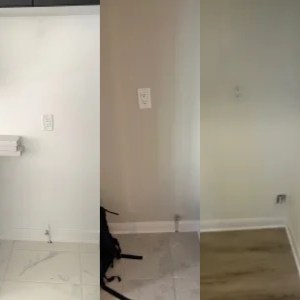
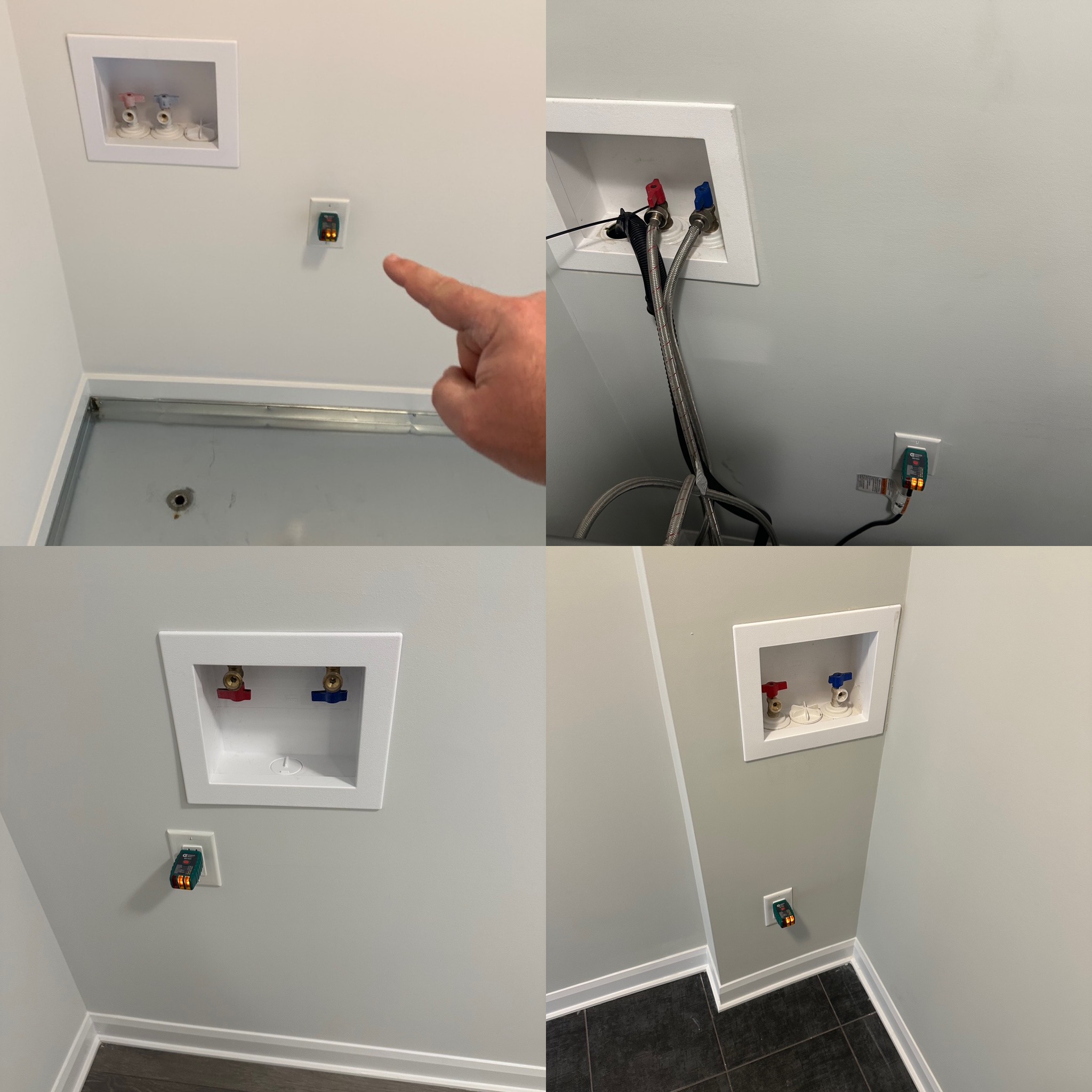
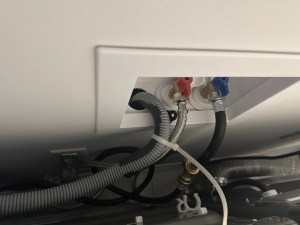
This is the waterline & plug for your fridge. Its a regular plug, but its above the water so it shouldn’t be an issue. Its called gravity for a reason, water won’t fly upward or to the side unless directed.
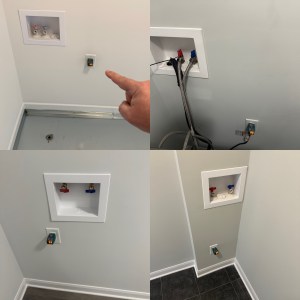
Why do electricians feel it will be safe to put a regular plug without any protection under a water source that is constantly running?
Remember what I said about gravity above?!
When a photo is with a yellow light, when I see the yellow light that means the plug is wired correctly. Now I push that orange circle to trip the plug, a gfci plug or protected breaker could be installed.
How do I know if you’re protected or not?
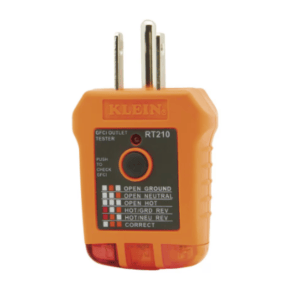
This is a very simple GFCI receptacle tester
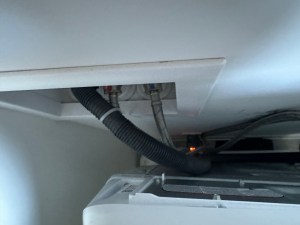
the left photo: the button was tripped but light stayed on indicating its a regular plug & hazard.
the right photo: the button was pushed and the light went out indicating the breaker is protected to keep you safe. Properly done!
By code any plug is never to be downstream to water, but why are these? This plug is required to be relocated or breaker to be protected immediately.
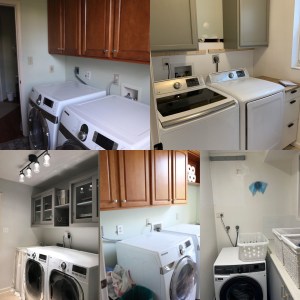
All of these plugs are in the proper location, gravity won’t affect a single plug here.
Key points about water on a regular outlet:
-
Short circuit:
Water can bridge the gap between exposed electrical components, causing a sudden surge of current and a short circuit. -
Electrical shock:
If you touch a wet outlet while it’s energized, you could receive an electric shock. -
Fire hazard:
The combination of a short circuit and excess heat from the water can potentially ignite nearby flammable materials, causing a fire.
What to do if water spills on an outlet:
- Turn off power: Immediately turn off the circuit breaker at the electrical panel that supplies power to the outlet.
- Do not touch: Avoid touching the wet outlet with your hands or any wet objects.
- Dry the area: Not with a dryer! Carefully dry the area around the outlet using a dry cloth or paper towel.
- Call a professional: If the outlet is wet or you suspect damage, contact a qualified electrician to inspect and repair it. Why call a professional, when they’re trying to harm me?!

With the washer sitting in a drip pan it could become live, severely injuring or possibly cause death. It takes only one-tenth of an amp to stop your heart, that one-tenth can come from any plug. The washer plug is part of a 15 or 20amp breaker, if you touch the washer being a live component. Thats not a maybe, you or your child will get injured. Thats a Bent Nails guarantee you’re dead.
How safe are you in your own home?! Did your inspector catch this issue, construction experience plays a major role in being a home inspector. Would your trust a Doctor that has no medical experience to do surgery on you? With Bent Nails, I’ve been in the construction industry for 28+ years. So I’ve helped build only a couple of homes, I know a little bit how they’re built?! haha Don’t play with your safety because you’d prefer to save $10 with the other Home inspection company you chose.
Did you know??
When I inspect homes as late as 1993, fuses are still found?! Where’s the authority?
- regular plugs are used when gfci’s are required
- Location of plugs are not required or standard
- GFCI protected plugs were required in laundry rooms in the United States starting in 2005. This was according to the National Electrical Code (NEC). Ours here in Canada are just regular plugs that can start a fire
So location doesn’t matter, the type of plug doesn’t matter? What matters to these electricians? Why are we 20 years later and this is still an issue in Canada?
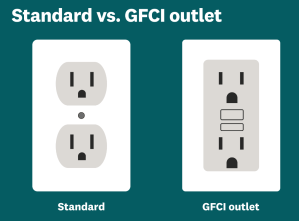
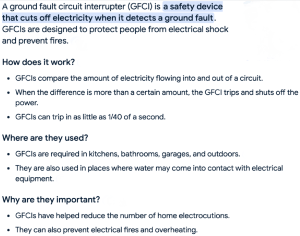
According to the American building code, all 125-volt receptacles in laundry areas, including those used for washing machines, must have GFCI protection, meaning every outlet in a laundry room should be on a protected breaker or GFCI plug; this requirement is outlined in the National Electrical Code (NEC) section 210.8(A)(10).
I have fought many electricians in Canada concerning these issues & they all give the cheapest excuse. “It isn’t code”
I have to fight & argue with minto, caivan, mattamy, urbandale, eq homes, hn homes, claridge & all custom builders because they cut corners to save them money & to risk your safety as a homeowner. Bent Nails is made to look like the bad guy when they don’t know how to do their jobs.
Being a builder you can’t just do a couple properly & say all your plugs are safe. Go back 20 years and fix every plug that was installed wrong.
All it takes is only 1 mess up, that electrician will file for bankruptcy within 5 minutes. Just to open a electrical business under a new name and their hands are wiped clean of the issue.
When stupid ignorant people want to debate the washer facet being a water source:
Yes, a washer faucet can be considered a water source, as it is a dedicated tap that provides water specifically for a washing machine, essentially acting as a point where water enters the appliance from the plumbing system; however, it’s important to note that this water is not typically intended for drinking due to potential contaminants and should not be treated as a standard drinking water source.