
How to clean a P-trap
By Darren McClurg, CMI ·

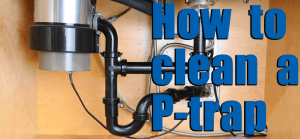
How to clean a P-trap
A P-trap is a U-shaped (or sometimes S-shaped, though P is the standard) section of pipe installed under sinks, toilets, showers, and other plumbing fixtures that have drains. Its primary function is to trap debris and prevent sewer gases from entering your home.
Here’s a breakdown of what it is and why cleaning it is important:
What a P-Trap Does:
-
Creates a Water Seal: The U-shape of the P-trap always holds a small amount of water. This water acts as a physical barrier, preventing foul-smelling and potentially harmful sewer gases (like methane, hydrogen sulfide, and ammonia) from rising up through the drain and into your living space.
-
Catches Debris: As water flows down the drain, heavier solids like hair, food particles, grease, and small objects tend to get caught in the curved section of the P-trap. This prevents them from going further down the plumbing system and potentially causing larger clogs in the main drain lines.
Why You Should Clean Out Your P-Trap:
Over time, the debris that the P-trap catches can accumulate and lead to several problems:
-
Slow Draining: The buildup of hair, grease, food scraps, and other debris restricts the flow of water through the trap, causing your sink, shower, or tub to drain slowly. This can be annoying and make it difficult to use the fixture effectively.
-
Clogs: If the P-trap becomes completely blocked with accumulated debris, it will cause a complete clog in your drain. This can lead to standing water in your sink or shower and may require more extensive and potentially costly plumbing repairs.
-
Foul Odors: While the water seal usually prevents sewer gases from entering your home, if the P-trap becomes partially or fully clogged with decaying organic matter, it can itself become a source of unpleasant smells. Bacteria in the trapped debris break down organic material, producing their own foul odours that can waft up through the drain.
-
Pest Infestation: The stagnant water and trapped organic matter in a clogged P-trap can attract certain pests like drain flies. These small, annoying flies can breed in the gunk and emerge from your drains.
-
Preventing Larger Plumbing Issues: By regularly cleaning out the P-trap, you prevent the accumulation of debris from traveling further down your plumbing system and potentially causing more significant and expensive clogs in your main drain lines, which can be much harder to clear.
In summary, cleaning out your P-trap is a simple but important maintenance task that helps ensure proper drainage, prevents foul odors, reduces the risk of clogs and pest infestations, and can ultimately save you from more significant plumbing problems down the line. It’s a good practice to clean your P-traps periodically, especially in high-use drains like kitchen sinks and bathroom showers.