
Home Renovation on a Budget
By Darren McClurg, CMI ·
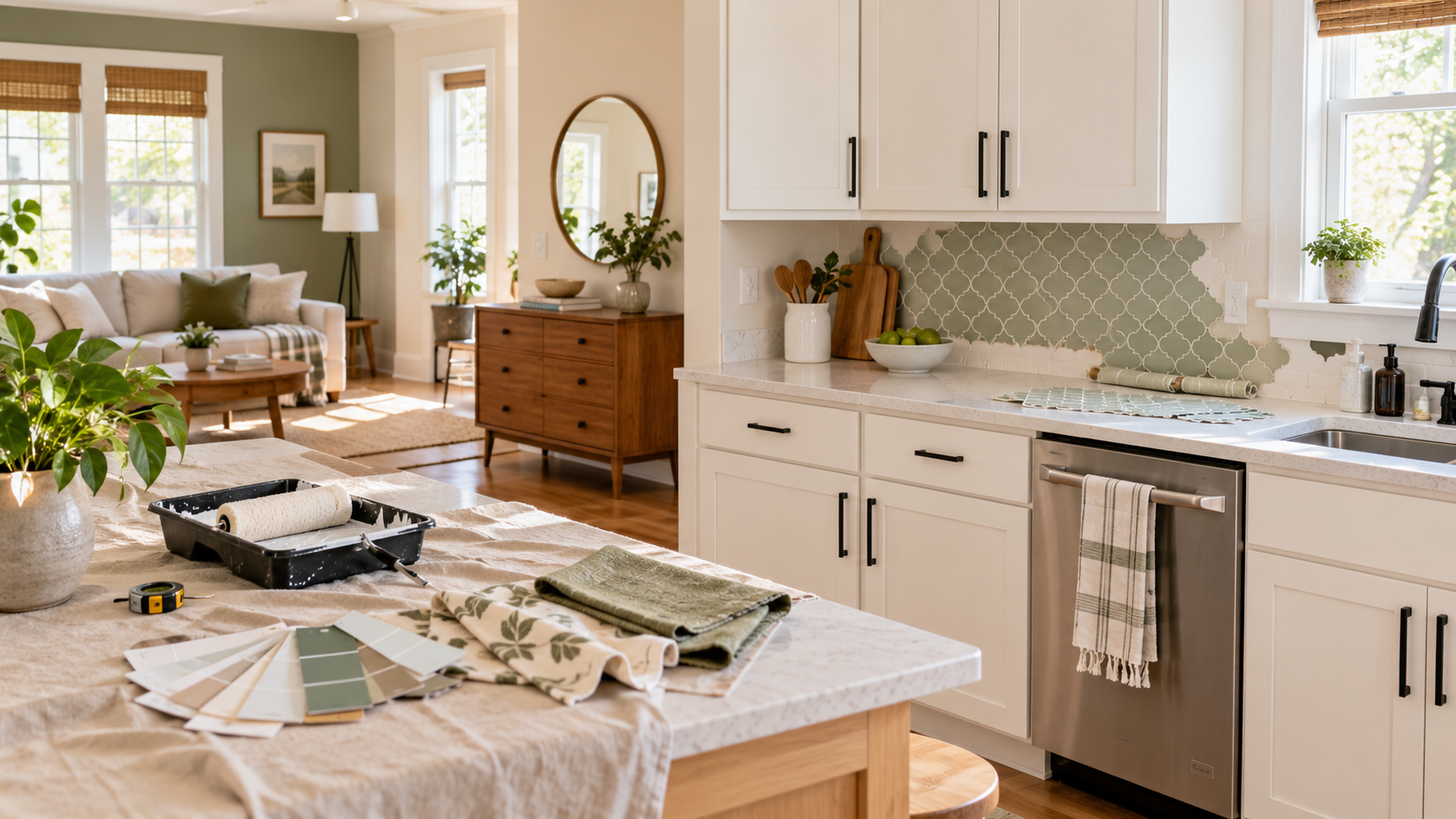

Home Renovation on a Budget: Affordable Ideas for Ottawa Homeowners
Its coming to the colder months where indoor renos can start. Renovating your home does not have to mean tearing down walls or replacing everything. In many homes, improvements come from fixing tired finishes, improving storage, and updating details.
The key to a successful budget home renovation is knowing what to keep, what to repair, and where a modest investment will make the greatest difference. Before buying materials, walk through each room and write down what is damaged, what no longer works well, and what simply looks dated. Separate needs from cosmetic wants. That list will help you set priorities and avoid spending money on upgrades that do not improve the home.
Set a Realistic Renovation Budget
Choose a total amount you can comfortably spend, then divide it by room or project. Include materials, delivery, disposal, permits, and professional labor where required. Keep at least 10 to 15 percent of your budget for surprises. Hidden water damage, uneven floors, outdated wiring, or plumbing problems can quickly change the plan.
A cheaper quote is not a bargain if important work has been excluded. Confirm what you can safely do yourself and what should be handled by a qualified contractor or licensed trade.
Refresh Cabinets Instead of Replacing Them
Kitchen and bathroom cabinets are expensive to replace, but solid cabinet boxes can often be reused. Cleaning, sanding, priming, and painting the doors can completely change the room. New handles and hinges are another affordable update that creates a cleaner, more current look.
If the layout works but the doors are badly worn, consider refacing the cabinets or replacing only the door and drawer fronts. Adding pull-out organizers, shelf risers, or better drawer inserts can also improve functionality without changing the entire cabinet system.
Before painting, check for swelling, mold, loose joints, or water damage. Cosmetic work should never cover an active leak or deteriorated material.

Give Furniture and Floors a Second Life
Worn furniture does not always need to go to landfill. A sturdy chair can be reupholstered, a wood table can be sanded and refinished, and a dated dresser can become useful storage with paint and new hardware. Reusing well-built pieces can cost less than buying lower-quality replacements.
Hardwood floors may only need a professional cleaning, screening, or refinishing. Peel-and-stick flooring may work as a short-term cosmetic option in suitable dry areas, but the surface must be clean, level, and compatible with the product. Do not install a new finish over moisture damage, loose tiles, or unstable flooring.
Update Kitchen Surfaces Carefully
A kitchen can feel newer without a complete renovation. Replacing a stained backsplash, updating lighting, repainting walls, and changing cabinet hardware can create a noticeable transformation. If the countertops are worn, compare laminate, butcher block, tile, and stone options based on durability, maintenance, and installation cost.
Appliance package deals, floor models, and seasonal sales may reduce costs, but measure every opening before purchasing. Check electrical, gas, plumbing, ventilation, and clearance requirements as well. Installing an appliance yourself may appear to save money, but some connections should be completed by qualified professionals. Incorrect installation can create leaks, fire risks, poor ventilation, or warranty problems.

Create More Space Without an Addition
You may not need more square footage. You may simply need to use the existing space better. Tall shelving, wall-mounted storage, pull-out pantry units, and furniture with built-in storage can free up floors and reduce clutter.
In a small kitchen, a narrow movable cart can provide extra preparation space. In an entryway, hooks, a bench, and baskets can control everyday clutter. Inside closets, an extra rod or adjustable shelves may double the usable storage.
Good organization should still allow safe access to electrical panels, shutoff valves, vents, windows, and heating equipment. Storage should improve the room without blocking systems that may need service.

Use Paint, Lighting, and Hardware for High Impact
Paint remains one of the most affordable ways to change a home. Lighter colors can make compact rooms feel brighter, while a carefully chosen accent wall adds interest without overwhelming the space. Proper preparation matters. Clean the walls, fill holes, repair cracks, and use the right primer before applying the finish coat.
Replace outdated fixtures, use brighter bulbs where tasks are performed, and add lamps to dark corners. Choose bulbs with a consistent color temperature so adjoining rooms do not feel mismatched.
Door handles, faucets, switch plates, curtain rods, and cabinet pulls are small details, but updating them together can give the home a more coordinated appearance. Reuse items that are still safe and functional, and shop carefully for reclaimed fixtures. Older electrical or plumbing products may not meet current requirements.
Know When a Simple Update Is Not Enough
Some problems should be investigated before renovation begins. Water stains, musty smells, cracked foundations, damaged wiring, slow drains, missing handrails, and signs of pests are not decorating issues. Covering them may hide a condition that becomes more expensive later.
If you are renovating after buying a home, preparing to sell, or planning work in an older property, a home inspection can help identify visible concerns and guide your priorities. It can also help you distinguish between an unattractive finish and a defect that affects safety, performance, or durability.
Conclusion
A budget-friendly home renovation works best when it starts with a clear plan. Preserve materials that are still sound, spend first on repairs and safety, and use paint, lighting, storage, hardware, and refinishing to create visible improvements. Complete one area at a time and leave room in the budget for unexpected conditions.
Before starting a renovation, it helps to understand the current condition of your home. An inspection can reveal visible moisture damage, electrical concerns, plumbing issues, or other defects that should be addressed before cosmetic upgrades begin.
Looking for a trusted home inspector in Ottawa? Contact Bent Nails Ottawa Master Home Inspection & Tarion Warranty to schedule your inspection. Get clear information about your home so you can renovate with confidence and make better decisions about where to spend your budget.