
Ensuring Your Electrical Safety: Expert Insights Revealed Part 1
By Darren McClurg, CMI ·

Ensuring Your Electrical Safety: Expert Insights Revealed
How often do you hear anyone speak of electrical work? This is priority to have in every home by todays standards, we’re not in the 1800’s anymore. Its a priority to Bent Nails!
I don’t care if its American or Canadian. All trades follow only 1 building code & standard of practise. To produce a safe living space for homeowners.
I’m an International Master Inspector for a legitimate reason, to keep you safe. I know of MANY different codes in the U.S. & Canada for residential or commercial exteriors, but majority of homes throughout the world are the exact same for interior electrical. If I don’t say anything, do you think it would be fixed?!
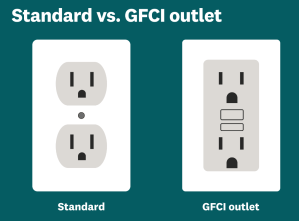
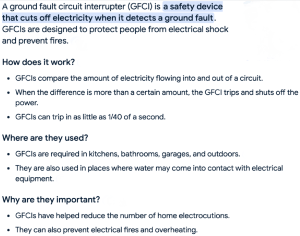
I test all receptacles throughout a home, especially in new builds. Some are wired wrong, wrong locations & others are missing gfci’s.
– The GFCI (ground fault interrupter circuit) receptacle is missing, the plug did not respond to the inspectors (external) trip test device. Replacement and / or repair is required. The ESA mandates GFCI protection in many areas of the home: bathrooms, garages, laundry room, outdoor receptacles, crawl spaces, basements, kitchens and anything within a 5 feet radius of a sink or water basin.
I say 6ft, the safer you are, the better. I also say water source, a basin you choose if the water is turned on or not. The taps for a washer are always on & higher on the wall, so thats common sense you’d be more at risk.
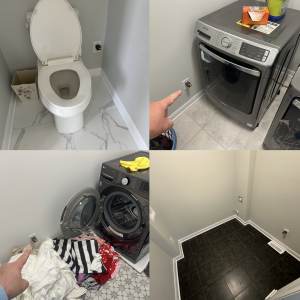
Lets examine this photo of 4 different new builds:
-all sinks in the home have gfci’s but the toilet is missing
– all other photos are within 5ft of water source & they are regular plugs.
These all require GFCI plugs, why aren’t they there?
If water spills on an electrical outlet, it can potentially cause a short circuit, electrical shock, or even a fire due to water acting as a conductor of electricity, which can lead to sparks and overheating when a plug is inserted into a wet outlet; therefore, it’s crucial to immediately turn off the power at the breaker box and avoid touching the wet outlet.
Key points about water on an outlet:
-
Short circuit:
Water can bridge the gap between exposed electrical components, causing a sudden surge of current and a short circuit. -
Electrical shock:
If you touch a wet outlet while it’s energized, you could receive an electric shock. -
Fire hazard:
The combination of a short circuit and excess heat from the water can potentially ignite nearby flammable materials, causing a fire.
What to do if water spills on an outlet:
- Turn off power: Immediately turn off the circuit breaker at the electrical panel that supplies power to the outlet.
- Do not touch: Avoid touching the wet outlet with your hands or any wet objects.
- Dry the area: Not with a dryer! Carefully dry the area around the outlet using a dry cloth or paper towel.
- Call a professional: If the outlet is wet or you suspect damage, contact a qualified electrician to inspect and repair it.
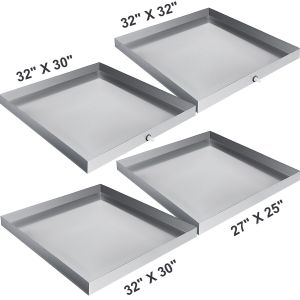

With the washer sitting in a drip pan it could become live, severely injuring or possibly cause death. It takes only one-tenth of an amp to stop your heart, that one-tenth can come from any plug. The washer plug is part of a 15 or 20amp breaker, if you touch the washer being a live component. Thats not a maybe, you or your child will get injured. Thats a Bent Nails guarantee you’re dead.
Other parts of construction have properly advanced their practises to build better homes, except for electrical. Builders refuse to acknowledge because majority are unqualified & never swung a hammer before in their lives or they don’t care. Heres some examples:
– The shift from fuses to circuit breakers in home electrical systems primarily occurred in the mid-1950s, with circuit breakers becoming the standard for new construction by the mid-1960s, meaning that most homes built after this period would have circuit breakers instead of fuses.
Did you know??
When I inspect homes as late as 1993, fuses are still found?! Where’s the authority?
- regular plugs are used when gfci’s are required
- Location of plugs are not required or standard
- GFCI protected plugs were required in laundry rooms in the United States starting in 2005. This was according to the National Electrical Code (NEC). Ours here in Canada are just regular plugs that can start a fire
So location doesn’t matter, the type of plug doesn’t matter? What matters to these electricians? Why are we 20 years later and this is still an issue in Canada?
According to the American building code, all 125-volt receptacles in laundry areas, including those used for washing machines, must have GFCI protection, meaning every outlet in a laundry room should be on a protected breaker or GFCI plug; this requirement is outlined in the National Electrical Code (NEC) section 210.8(A)(10).
I have fought many electricians in Canada concerning these issues & they all give the cheapest excuse. “It isn’t code”
I have to fight & argue with minto, caivan, mattamy, urbandale, eq homes, hn homes, claridge & all custom builders because they cut corners to save them money & to risk your safety as a homeowner. Bent Nails is made to look like the bad guy when they don’t know how to do their jobs.
Being a builder you can’t just do a couple properly & say all your plugs are safe. Go back 20 years and fix every plug that was installed wrong.
All it takes is only 1 mess up, that electrician will file for bankruptcy within 5 minutes. Just to open a electrical business under a new name and their hands are wiped clean of the issue.