
Effective Condensation Cure Tips from Ottawa’s Top Inspector
By Darren McClurg, CMI ·
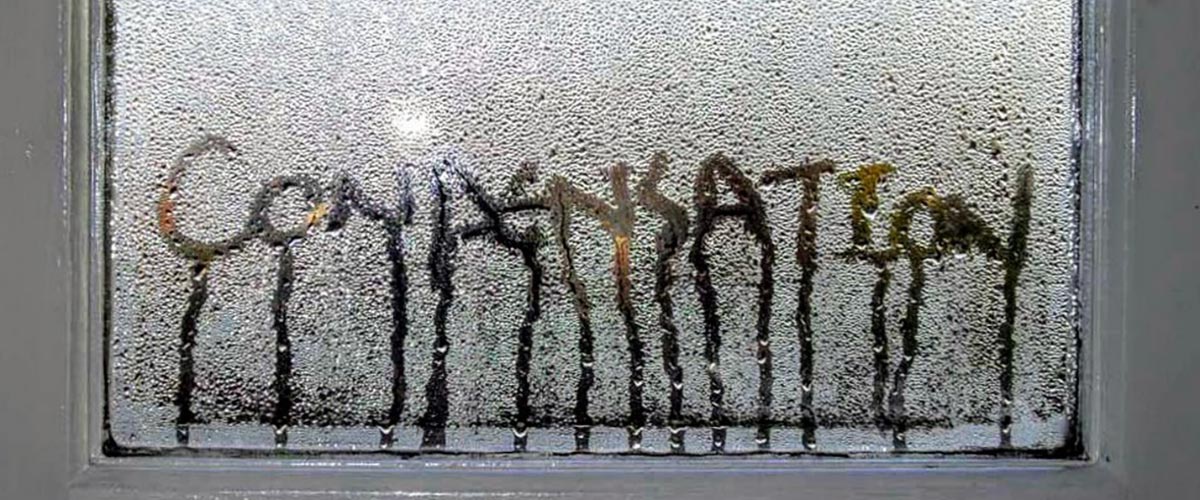
Effective Condensation Cure Tips
As explained in the blog prior, latex-vs-silicone
The sides & tops of you window can be latex caulking, but the bottom has to be silicone. When water pools on a window frame, the caulking will dissolve & the water will get to your framing
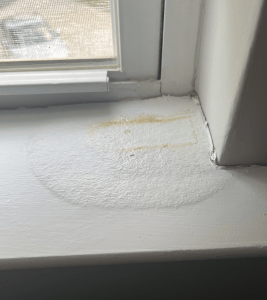
Water damage from pooling on the window sill all day. Look at all that cracking in the caulking, if that happens consistently mold can potentially start growing
This is a common issue with many homes.
Each person creates body heat, with the amount of heat generated from each person in the home during the winter, lets add a humidifier on the furnace to the equation & lets turn up the heat. Equals condensation!

Condensation on a window occurs when warm, moist air comes into contact with a cold glass surface, causing the water vapour in the air to condense into visible droplets on the windowpane; essentially, the temperature difference between the warm air inside and the colder glass outside creates condensation.
Key points about window condensation:
- Humidity levels: High humidity in the air increases the amount of water vapour available to condense on the cold surface.
How to reduce window condensation:
-
Improve ventilation: Turn on the HRV (if you have one) Open windows or use fans to circulate air and reduce humidity levels.
-
Use a dehumidifier: A dehumidifier actively removes moisture from the air.
-
Insulate your home: Proper insulation can help maintain a more consistent temperature throughout your house, reducing the temperature difference between the air and windows.
-
Consider double or triple glazing: These window types provide better insulation and can minimize condensation.
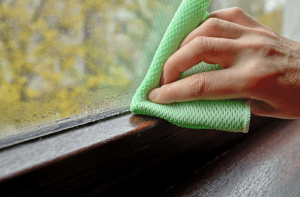
A huge Bent Nails recommendation: designate a cloth or towel to use, every morning when you awake. Theres a task for you to quickly go throughout the home & quickly wipe them, so there won’t be any pooling on the window frames.
Having a humidifier on your furnace can contribute to condensation on windows, especially during cold weather, humid air, it causes moisture to condense on the glass; if the humidifier is set too high, it can add too much moisture to the air, leading to excessive condensation on windows.
Key points about this situation:
-
Humidity levels: When the relative humidity inside your home is too high, it can lead to condensation on cold surfaces like windows.
-
Solution: To reduce condensation, adjust the humidifier setting on your furnace to a lower level, ensuring the humidity remains within a comfortable range.
Other factors that can contribute to window condensation:
-
Poor ventilation: Lack of air circulation around windows can worsen condensation issues.
-
Outdoor temperature: Cold weather significantly increases the likelihood of condensation on windows.
-
Window quality: Older or poorly insulated windows may be more prone to condensation.
What to do if you see excessive condensation on windows:
-
Check your humidifier settings: Adjust the humidistat on your furnace to lower the humidity level.
-
Improve ventilation: Open windows slightly or run exhaust fans in kitchens and bathrooms to remove excess moisture.
-
Consider a dehumidifier: If the problem persists, using a dehumidifier can help remove excess moisture from the air.
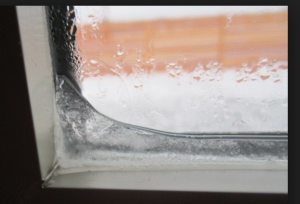
Condensation turning to ice to cause more damage for you later on….
DO I NEED A DEHUMIDIFIER??
You should use the dehumidifier when the humidity level in your home is too high, which can cause condensation, mold, and musty odors.
Signs that you need a dehumidifier
-
Condensation: Water droplets on windows and walls, especially during the winter
-
Musty odours: A distinctive smell caused by excess moisture in the air
-
Water stains: Water stains on ceilings and walls could indicate a plumbing leak
-
Mold growth: Mold can grow on wallpaper, furniture, and other surfaces if the humidity is consistently high
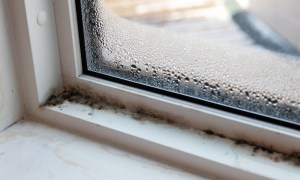
When to use a dehumidifier
-
High humidity: Use a dehumidifier when the humidity level is 55% or higher
-
One-time issues: Use a portable dehumidifier to dry out a room after a flood or pipe burst
-
With a heater: Use a dehumidifier with a heater to remove moisture more effectively
Benefits of using a dehumidifier
- Reduces the risk of mold growth
- Helps prevent condensation on windows
- Creates a more comfortable and healthy living environment
No, a dehumidifier will not damage flooring when used properly; in fact, it can help protect your flooring by maintaining optimal humidity levels, preventing issues like warping or cupping caused by excessive moisture, especially for hardwood floors; however, running a dehumidifier at too low of a humidity level can cause wood flooring to dry out and potentially crack or gap slightly, so it’s important to maintain a balanced humidity level within the recommended range (typically 30-50%) to avoid damage.
Key points about dehumidifiers and flooring:
-
Protects against moisture damage: By removing excess moisture from the air, a dehumidifier can prevent wood flooring from absorbing too much moisture, which can lead to warping, cupping, or buckling.
-
Maintain proper humidity levels: Aim to keep indoor humidity between 30-50% to ensure the health of your flooring.
-
Potential for dryness issues: If the humidity level becomes too low due to over-dehumidification, wood flooring can dry out and develop cracks or gaps.
-
Placement matters: When dealing with potential moisture issues under the floor, placing the dehumidifier in the basement or crawl space can be most effective.
There are many possibilities to clearing condensation from your windows, Contact Bent Nails today for a quote & more help.