
8 Most Common Electric Mistakes Found in Home Inspections
By Darren McClurg, CMI ·
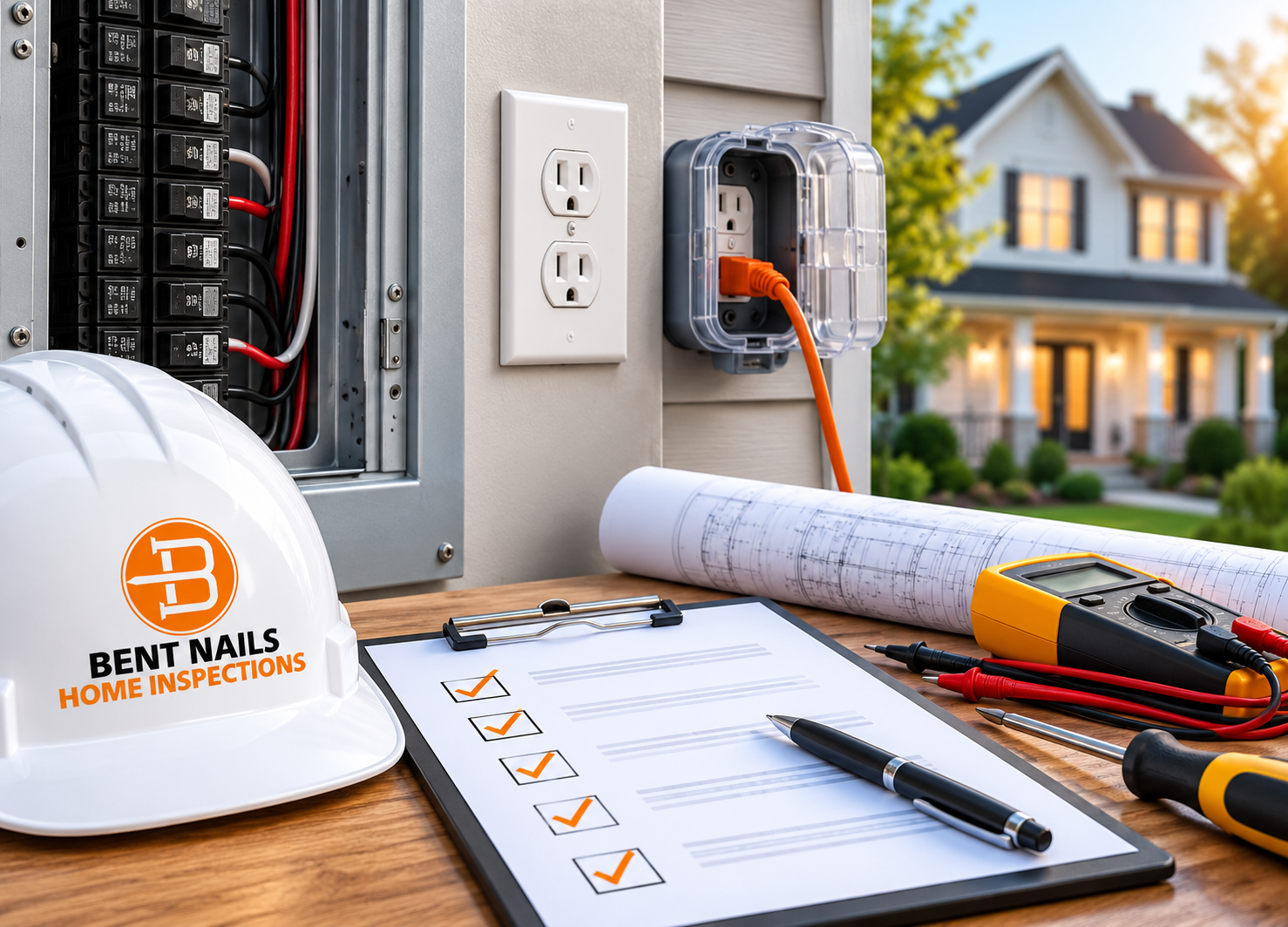
Any number of 8 Most Common Electrical Mistakes Found During Home Inspections
Electrical problems are among the most important issues to identify during a home inspection. Some defects may look minor, but they can increase the risk of electrical shock, overheating, fire, or damage to the home.
Whether you’re buying a home, selling a property, or simply keeping up with home maintenance, knowing what to look for can help you better understand the condition of the electrical system.
Here are 8 common electrical mistakes found during home inspections and why they deserve attention.
1. Ungrounded Receptacles
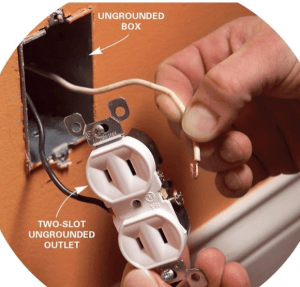
Two-prong receptacles are commonly found in older homes and may indicate that the outlet does not have an equipment grounding connection.
Without proper grounding, there may be an increased risk of electrical shock or damage to certain appliances and electronics. However, simply replacing a two-prong outlet with a three-prong receptacle does not necessarily mean the outlet is properly grounded.
A qualified electrician should evaluate older or ungrounded receptacles and recommend the appropriate repair or upgrade.
2. Double-Tapped Circuit Breakers
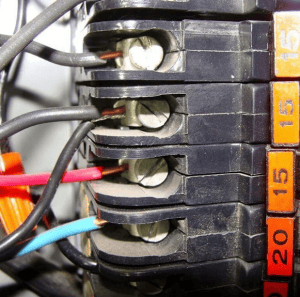
A double-tapped breaker occurs when two electrical conductors are connected to a single breaker terminal that is not designed or approved to accommodate both.
This can result in a poor or loose connection, which may lead to overheating or arcing.
During a home inspection, the electrical panel is an important area to examine because defects inside the panel can reveal safety concerns that homeowners may not notice during everyday use.
3. Exposed Light Bulbs in Closets
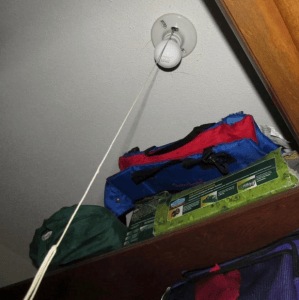
Older homes may have exposed incandescent bulbs installed inside closets or storage areas.
The concern is heat. Clothing, boxes, linens, and other combustible materials may be stored too close to the bulb, increasing the potential for a fire hazard.
Properly enclosed or appropriately rated light fixtures can provide better protection and reduce the chance of stored items coming into direct contact with a hot bulb.
4. Improper Covers on Outdoor Receptacles
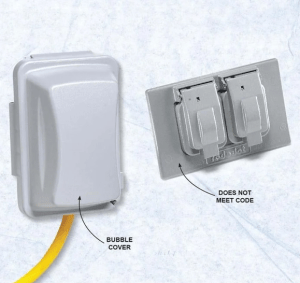
Outdoor electrical receptacles are exposed to moisture, rain, snow, and changing weather conditions, so proper protection is essential.
A standard flat cover may offer protection while the outlet is not being used, but it may not provide sufficient protection when something remains plugged in.
In-use covers, often called bubble covers, are designed to help protect outdoor receptacles even while a cord is connected. Outdoor receptacles should also be appropriate for their location and installed according to applicable electrical requirements.
5. Too Few Receptacles and Too Many Extension Cords
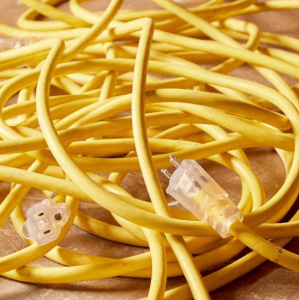
Extension cords can be useful temporarily, but relying on them as a permanent solution may indicate that a home does not have enough conveniently located receptacles.
Excessive extension cord use can create tripping hazards, overloaded connections, and potential overheating or fire risks, especially when cords are damaged, improperly rated, or used incorrectly.
If extension cords are being used throughout the home on a regular basis, it may be worth having a qualified electrician evaluate whether additional receptacles should be installed.
6. Missing Tamper-Resistant Receptacles
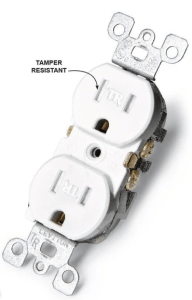
Tamper-resistant receptacles include internal shutters designed to help prevent foreign objects from being inserted into the energized portions of an outlet.
They provide an additional layer of protection, particularly in homes with young children.
During an inspection, the type, age, condition, and location of receptacles can provide useful information about the home’s electrical system and previous upgrades.
7. Openings in Electrical Panels
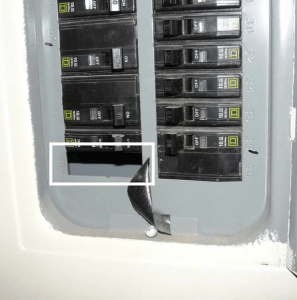
Unused openings in an electrical panel should not simply be left exposed.
Missing breaker fillers or covers may allow accidental contact with energized components inside the panel. Openings can also allow dust, debris, insects, or small pests to enter.
Proper filler plates or approved covers should be installed where required, and they should be compatible with the electrical panel.
8. Missing or Improper GFCI Protection
Ground-fault circuit interrupter (GFCI) protection is an important electrical safety feature, especially in areas where electricity and moisture may come into contact.
Depending on the home’s age, location, and applicable requirements, GFCI protection may be expected in areas such as bathrooms, kitchens, garages, exterior locations, and other moisture-prone spaces.
A GFCI is designed to quickly interrupt electrical power when it detects an imbalance in the electrical current, helping reduce the risk of serious electrical shock.
During a home inspection, missing, damaged, improperly installed, or non-functioning GFCI protection may be identified for further evaluation or correction.
Why Electrical Issues Matter During a Home Inspection
Electrical defects are not always obvious during a typical home viewing. An outlet may appear normal from the outside while the wiring, grounding, protection, or electrical panel tells a different story.
That is one reason a professional home inspection can be valuable before purchasing a property.
If you’re searching for the most trusted home inspector in Ottawa, choose an inspector who takes the time to evaluate the accessible electrical components of the home, explain observed concerns clearly, and provide a detailed inspection report that helps you understand the property.
Book Your Ottawa Home Inspection
Buying a home is a major investment. Make sure you have a better understanding of its condition before making important decisions.
Bent Nails Ottawa Master Home Inspection & Tarion Warranty provides thorough home inspections with clear, easy-to-understand reporting for homeowners, buyers, and property investors in Ottawa and surrounding areas.
From electrical concerns and roofing to plumbing, heating, cooling, insulation, structure, and more, we help you understand what you’re buying and what may need attention.
Looking for the most trusted home inspector in Ottawa?
Contact Bent Nails Ottawa Master Home Inspection & Tarion Warranty today to schedule your home inspection and get the information you need to move forward with confidence.