
7 Signs You May Need a New Roof
By Darren McClurg, CMI ·
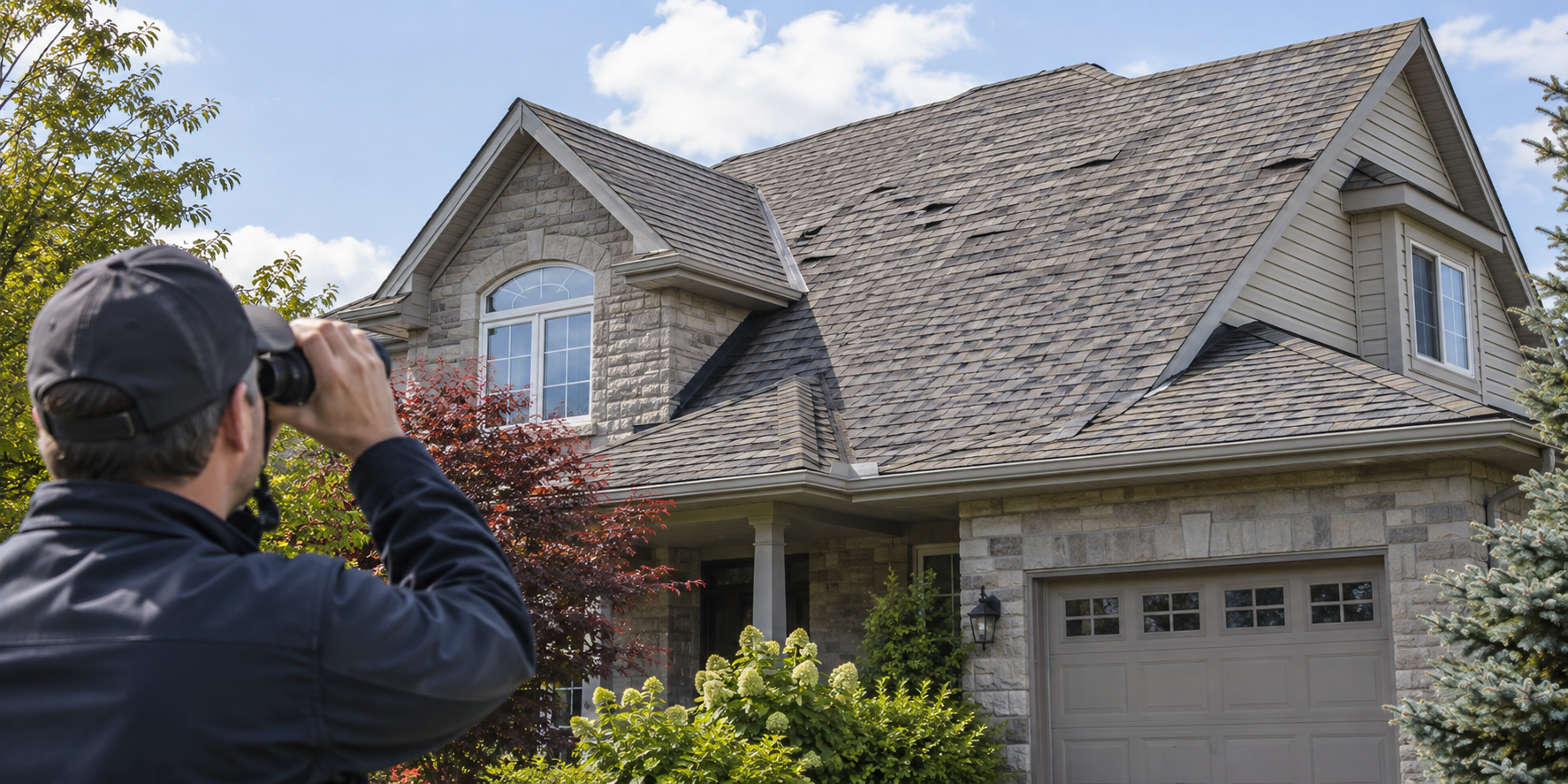
Your roof does a lot of work that you rarely see. It keeps rain and snow out, protects the structure beneath it, and helps your home stay comfortable through Ottawa’s changing seasons. Because most of it is out of sight, roof problems can develop long before water drips from a ceiling.
Does a worn roof always need to be replaced? No. Some problems can be repaired. The important thing is to recognize warning signs early and have the roof assessed before a small issue becomes expensive damage. Here are seven signs to watch for.
1. Your Roof Is Getting Older
Age is a useful starting point, but it does not tell the whole story. The lifespan of a roof depends on its materials, installation, ventilation, maintenance, and exposure to weather. Two roofs installed in the same year can age very differently.
If you know when your roof was installed, keep that date with your home records. If you do not, check any available invoices, permits, or information from the previous owner. As the roof gets older, look more closely for changes in its condition and budget for a professional assessment.
A roof can look acceptable from the street while hiding problems around vents, flashing, or other areas where water can enter. Age alone does not mean it needs replacing, but it gives you a reason to pay closer attention.
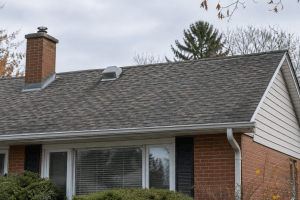
2. Shingles Are Missing, Cracked, or Curling
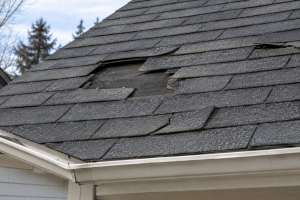
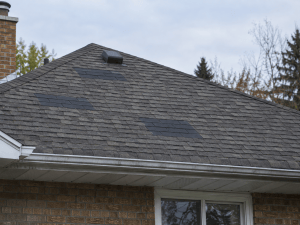
Shingles are the roof’s first line of defense against the weather. Missing shingles leave the layers beneath them more exposed to rain and melting snow. Cracked, curled, or lifted shingles may no longer shed water as intended.
You might notice a bare patch after a windstorm or find a shingle in the yard. You may also see edges lifting when you look at the roof from the ground. Avoid climbing up for a closer look. A roofing contractor can check the damage safely and determine whether a repair is enough.
One damaged area does not automatically call for a new roof. If problems appear across several sections, though, replacing individual shingles may offer only a short-term fix.
3. You Find Excessive Granules in the Gutters
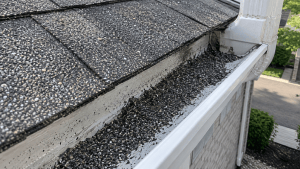
Asphalt shingles have a layer of granules that helps protect them from sunlight and wear. Some granules in the gutters can be normal, especially with a newer roof. A noticeable increase on an older roof may mean the shingles are deteriorating.
Look for piles of granules near downspout outlets or sections of roof that appear patchy or unusually dark. Consider this clue alongside the roof’s age and other visible signs. Granules alone cannot tell you whether the entire roof needs replacement.
If the gutters are safely accessible from the ground, keep them clear so water can drain properly. Leave any roof-level inspection to a professional.
4. Flashing or Other Roof Details Are Damaged
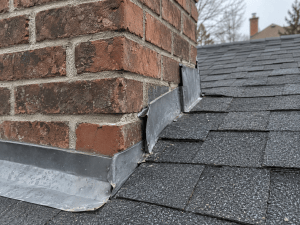
The open stretches of a roof are only part of the picture. Water can enter around chimneys, plumbing vents, skylights, roof valleys, and where the roof meets a wall. These areas rely on flashing and other details to direct water away.
From the ground, you may spot loose metal, damaged sealant, or a section that looks out of place. Problems at these points can cause leaks even when the surrounding shingles still look good.
A qualified roofer can identify the source and explain whether the affected area can be repaired. This matters because replacing shingles without correcting faulty flashing may leave the leak unresolved.
5. You Notice Stains or Moisture Inside
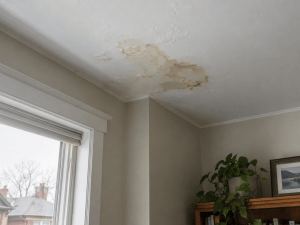
A brown stain on the ceiling is often the first sign a homeowner sees. Peeling paint, damp insulation, a musty attic, or water marks near a chimney can also point to moisture getting in.
Do not assume every stain comes from the roof. Plumbing leaks, condensation, and ventilation problems can produce similar symptoms. The source needs to be found before you decide on a repair.
Take note of where and when the stain appeared, particularly after heavy rain or melting snow. If the area is actively wet, arrange prompt help. Leaving moisture in place can damage finishes, insulation, and framing, and may encourage mold growth.
6. The Roofline Appears to Sag
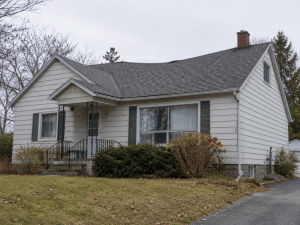
Stand back from your home and look along the roofline. A visible dip or sag is a concern that deserves timely attention. It may involve the roof deck, framing, or another structural issue beneath the shingles.
It is difficult to judge the cause from outside, and covering the area with new roofing material will not address a damaged structure. Have a qualified professional assess it before planning cosmetic work or replacement.
For your safety, stay off the roof. If the sag is pronounced or appears to be getting worse, keep people away from the affected area until it has been evaluated.
7. Repairs Keep Adding Up
An occasional roof repair does not mean the whole roof has failed. But if leaks return, shingles repeatedly come loose, or new problem areas appear each season, it may be time to compare the cost of continued repairs with replacement.
Ask a roofing contractor to explain what is failing, what a repair would cover, and how long that repair is reasonably expected to last. Request a written quote so you can make an informed decision. If you recently bought the home, review your inspection report for previously noted roof concerns.
There is no single warning sign that proves every roof needs replacing. The pattern, extent, and cause of the damage matter.
Conclusion
You do not have to diagnose your roof from the driveway. Notice changes, document any leaks, and get the right professional to assess concerns before water causes more damage.
If you are buying a home or want a clearer picture of its visible condition, contact Bent Nails Ottawa Master Home Inspection & Tarion Warranty to book an inspection. If you are searching for a trusted home inspection in Ottawa, Darren can help you understand the concerns observed during the inspection and what deserves a closer look from a roofing contractor.